I am interested in podcasting as a radical and inclusive digital creative practice.
Fkd Up By Faith
I never intended to become a ‘podcaster’.
But I woke up one day in 2020 with the idea for Fkd Up By Faith fully formed in my mind, title and everything.
Fkd Up By Faith is a podcast where I explore the deeply personal and often challenging stories of people who’ve been hurt by their faith but have found hope, healing, reconciliation, or forgiveness – whether within their faith traditions or beyond them.
The tongue-in-cheek title belies a serious ethnographic and theological purpose. This podcast began as part of my Master’s research in Public Theology at the University of Chichester, where my dissertation (awarded a distinction) examined the power of podcasting in theological enquiry. Now, as a PhD researcher in theology through creative practice, I’m expanding this work into an auto-ethnographic podcasting project that deepens my exploration of the transformative power of storytelling within the context of faith and religion.
I treat podcasting as a storytelling space, one that invites guests to share experiences of faith, religion, family, and upbringing, as well as the pain of rejection, control, and spiritual abuse. For some, these conversations are deeply personal, and I offer anonymity to guests who need it, creating a safe and non-judgmental space where stories can unfold naturally. All my work is underpinned by a rigorous ethical focus.
In it’s sibling podcast “UNFKD” I deal with theological (and adjacent) ideas which are harmful, misunderstood or just plain wrong… and break down the theology for non-theologians. You can find it on Spotify or in all the usual podcasty places
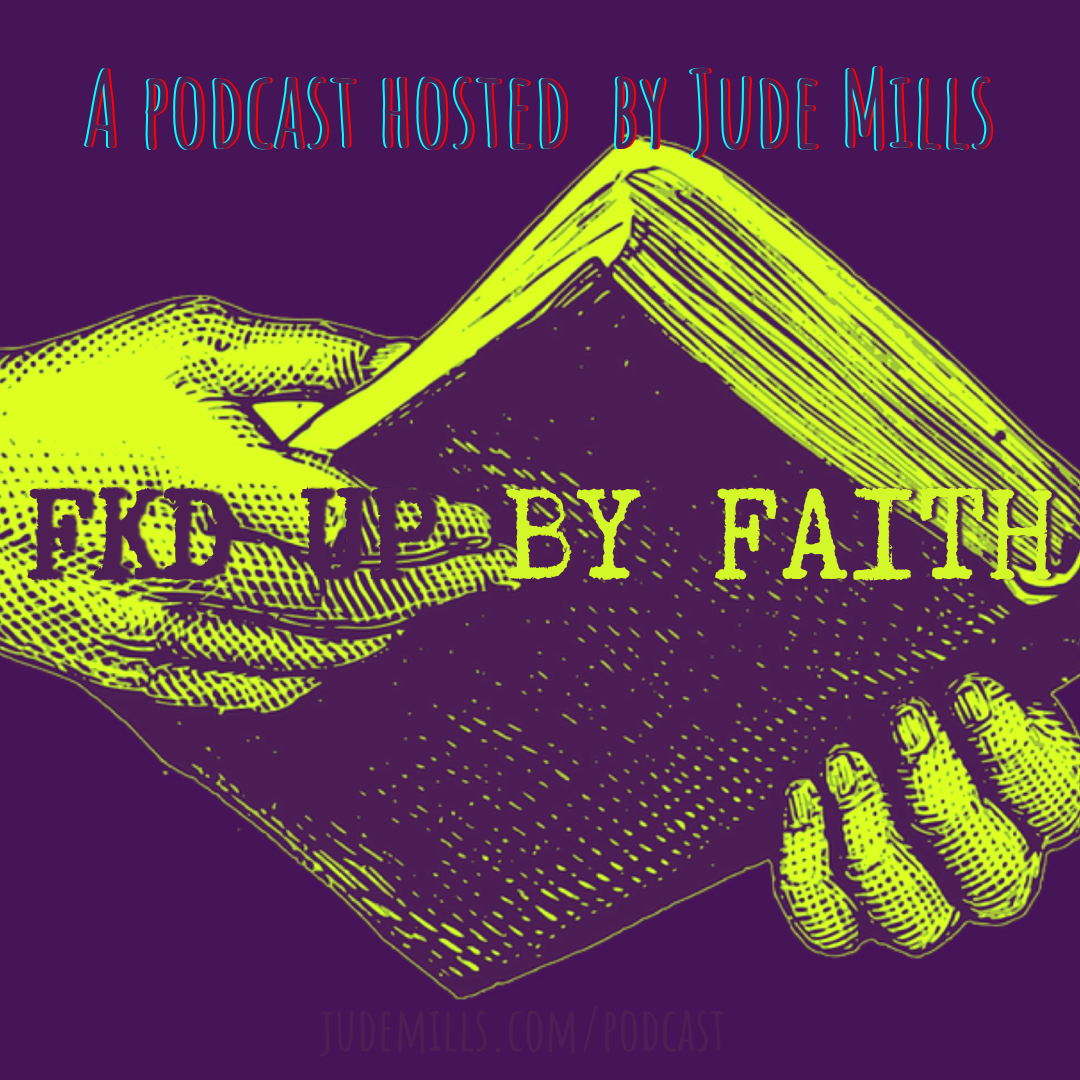
Click image to listen on Spotify
What is a podcast?
Some of you may disagree (and that’s OK!)
I go with Richard Berry’s definition. The key features of a podcast, in my view are:
Audio content (not video, definitely not YouTube)
Distributed , usually via RSS feed. This means that you can receive it on the device and platform of your choice.
Listened to asynchronously - meaning that you don’t need to consume it ‘live’ like radio (That a lot of radio is re-distributed as a podcast complicates things a bit)
Usually listened to in person (i.e. it isn’t a group activity)
Usually listened to via headphones (which means the sound goes directly into your ears)
“Internet audio content delivered globally via subscription to a connected device and then consumed asynchronously by listeners’ ”